This product was purchased with my own money. The manufacturer had no influence over this review.
- Introduction
- Quick Verdict
- Design and Build
- Installation and Fit
- Performance and Protection
- Pros and Cons
- Conclusion
Introduction
When you start taking the Starlink Mini outdoors — camping, hiking, or traveling — it quickly becomes clear that while the hardware itself is compact, it’s not exactly designed to be tossed around unprotected. This anti-bump silicone protective cover is one of several third-party accessories aimed at solving that problem by adding impact protection and improving transport options.
I purchased this silicone case myself out of curiosity and a desire to better protect my Starlink Mini during transport. It promises shock absorption, scratch protection, and even the ability to hang the dish from a backpack or mount using integrated hooks — all while keeping signal performance intact. Since this is a relatively simple accessory, this review focuses mainly on fit, usability, and whether the added bulk is actually worth it.
Quick Verdict
The silicone protective cover for the Starlink Mini does what it claims, but with clear trade-offs.
It fits reasonably well and likely offers real protection against bumps and scratches, especially during transport or rough outdoor use. However, the fit is very tight, to the point where the side edges don’t fully lock into place without relying on the included double-sided tape. More importantly, it adds noticeable bulk and weight, which goes against one of the Starlink Mini’s biggest strengths: portability.
If you regularly expose your Starlink Mini to rough handling, vehicle storage, or high-risk environments, this case can make sense. But if you value keeping your setup lightweight and compact, you may find — as I did — that you prefer not to use it day-to-day despite the added protection.
Design and Build
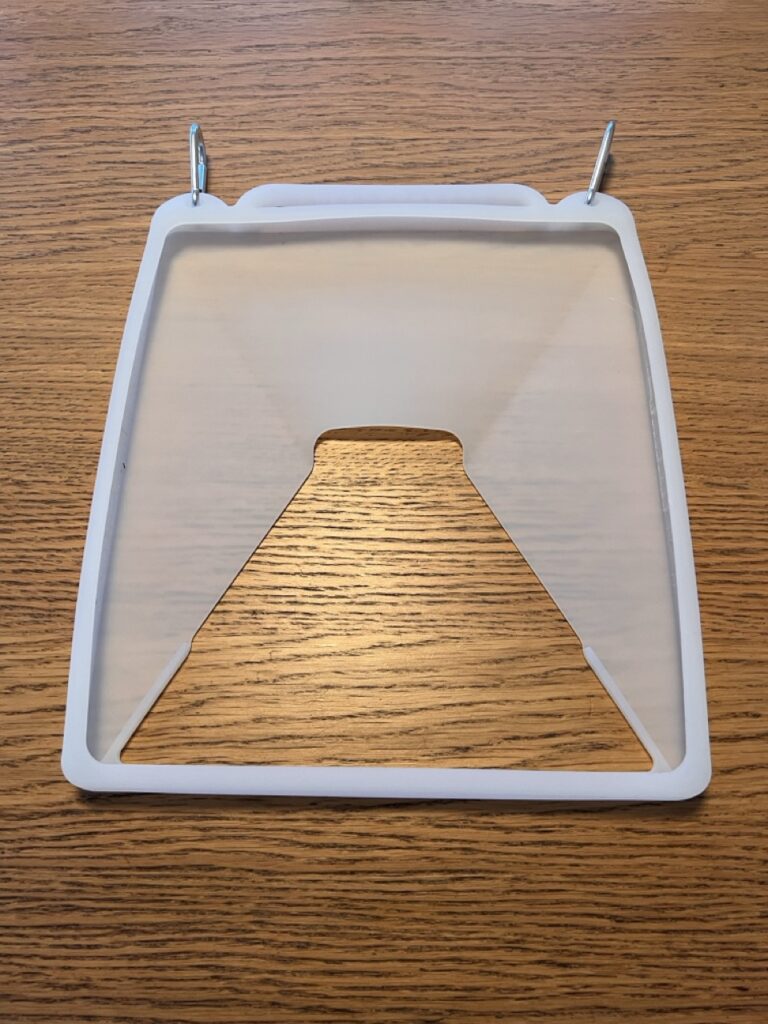
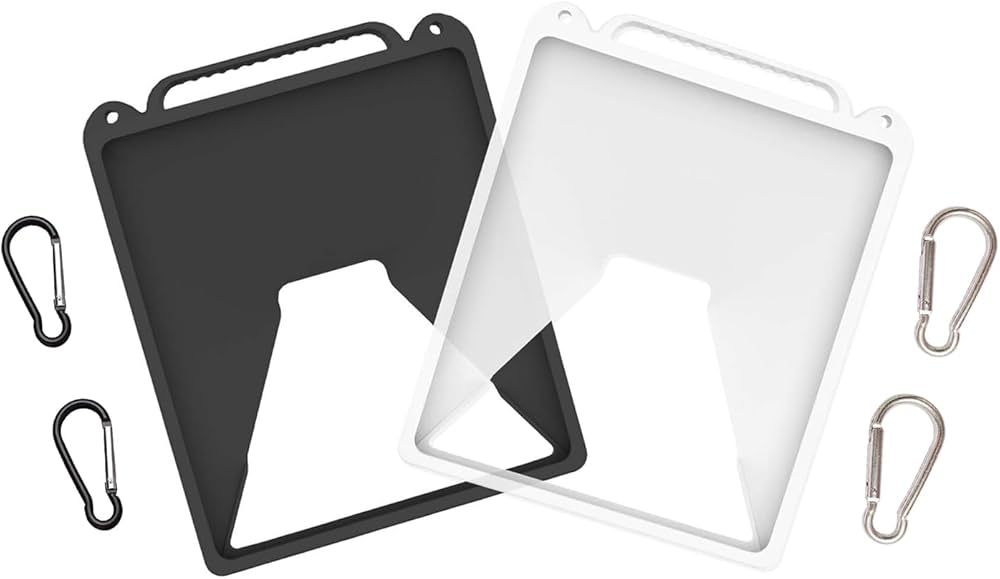
The Starlink Mini silicone protective cover is purpose-built for the Starlink Mini satellite dish, offering a precision fit and full-body coverage. It’s made of a high-quality liquid silicone material that is soft yet durable . The silicone is designed to absorb shocks and protect the dish from drops, scratches, and bumps, with reinforced edges and corners to guard vulnerable spots . Two integrated hooks are molded into the top of the cover (with metal carabiner clips included) to allow the dish to be hung or mounted during use . The overall build feels robust – the silicone has a slightly thick, rubbery heft which contributes to its protective qualities. The cover is available in black or white colors , letting users choose a lighter color if concerned about heat in sun-exposed use. In hand, the product does not feel cheap; the silicone is evenly molded and the hooks (made of a stiff PC plastic frame inside the silicone) appear securely attached for bearing the dish’s weight.
Despite the manufacturer’s claim of a “lightweight, minimal bulk” design , the cover does add some heft to the slim Starlink Mini dish. The cover itself weighs about 11.7 ounces (0.33 kg) , which is noticeable when carrying the dish around. Physically, it’s about 0.7 inches (~18 mm) thick, tracing the dish’s 12×10 inch face . This means the Starlink Mini becomes a bit chunkier once encased. The added weight and thickness are the trade-offs for improved protection. Overall, the design is highly functional – every cutout and dimension lines up with the Starlink Mini, and the cover leaves the bottom connector area open for cable access and ventilation (so the dish can still dissipate heat and connect cables normally) .
Installation and Fit
Installing the silicone cover on the Starlink Mini is straightforward but requires some manual effort due to the snug fit. You essentially stretch and wrap the silicone sleeve around the rectangular dish. The cover is tailored exactly to the Starlink Mini’s shape, so it needs to be aligned and pressed on firmly . In our experience, the fit was extremely tight – which is good for security, but it meant the edges needed to be carefully worked into place. The package includes re-usable double-sided adhesive strips (sticky pads) lining parts of the inner rim of the cover . These sticky inserts help keep the cover firmly attached to the dish and prevent it from slipping off, especially if you hang the dish vertically using the hooks.
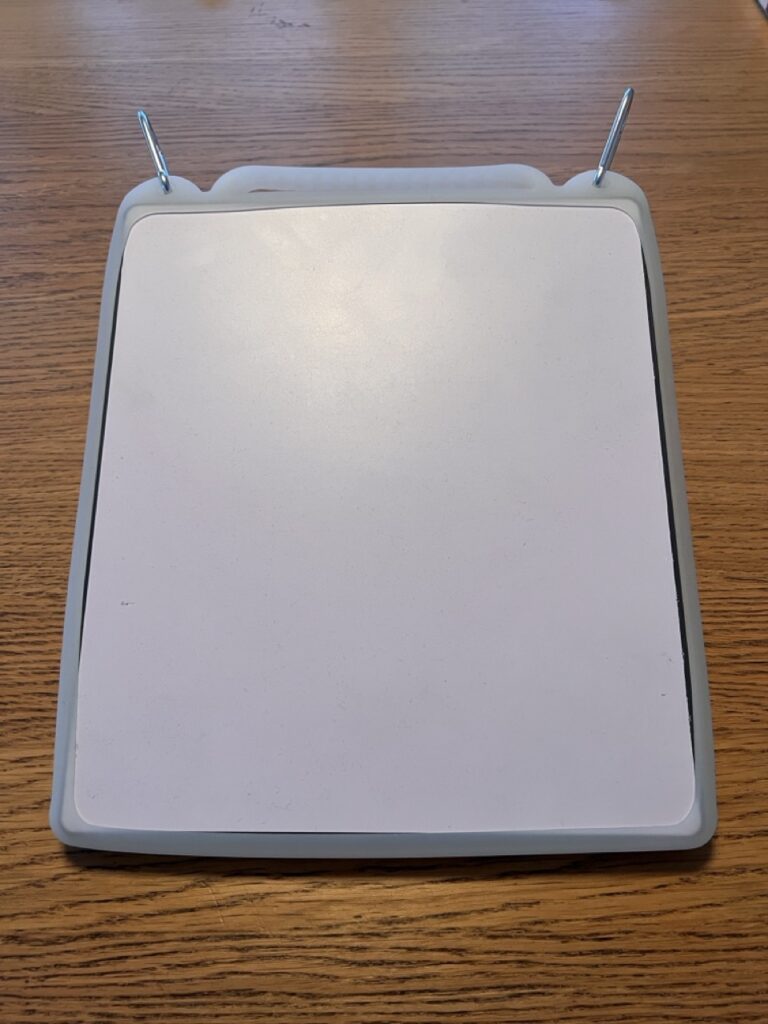
In practice, we found that the side edges of the cover did not fully latch or “snap” over the dish’s sides without assistance. The silicone lip had a tendency to spring back a bit due to the tight fit. Using the included sticky tape along the side edges was necessary to get a flush, secure grip. Once the adhesive pads were applied and the cover pressed on, the cover stayed on well – we could lift the dish by the cover’s handle without it coming loose. However, the need for adhesive suggests the tolerance is almost too exact. Some users have noted that the groove is so tight that the dish must be pressed in at an angle and even then the edges might not stay fully seated without the tape . The good news is the adhesive is marketed as non-permanent and signal-transparent, meaning it shouldn’t leave residue and doesn’t block the dish’s reception . Removing the cover is similarly a bit of a workout in reverse – you peel back one edge and work it off, taking care not to yank the adhesive pads (which can be saved for reuse). Overall, installation is secure but not effortless; expect a very snug fit by design.
Performance and Protection
Once installed, the silicone protector does an admirable job at its core purpose: protecting the Starlink Mini. The thick silicone acts as a buffer against physical shocks – for example, if the dish is dropped or jostled, the cover absorbs impact and shields the plastic chassis of the Starlink unit . We felt confident that minor knocks, scratches, or even a small hailstorm would be far less likely to damage the dish with this cover on. The “anti-bump” marketing is well-founded; the cover essentially works like a rugged bumper. In testing, placing the covered dish face-down on rough ground or against rocks did not scuff the dish at all – only the silicone exterior showed contact, which could be wiped clean. The material is also weather-resistant. Silicone inherently isn’t bothered by rain or dust, and the cover fits so much of the dish’s surface that it offers some environmental shielding . (Do note it’s not a fully sealed enclosure – the back is open around the stand attachment and bottom for cables, so water can still get in those areas. It’s not meant to waterproof your Starlink, just to protect against impacts and grime.)
A key question is whether the cover affects the Starlink Mini’s signal or performance. In our experience and according to other users, the answer is no – the silicone material does not noticeably interfere with WiFi or satellite signal reception . Radio-frequency transparency of plastics means the dish can still communicate through the cover without issue . In our tests, we did not observe any drop in download/upload speeds or signal quality with the cover on versus off. The manufacturer explicitly designed it to be “signal-friendly” and left it free of any metal that could block RF, and this held true . Even the adhesive strips inside are non-conductive and cover only a small border area. In short, connectivity remains strong and uninterrupted with the case installed.
Using the Starlink Mini in the field with the cover is where this accessory really shines for certain users. The twin hooks on top of the case allow you to hang the dish from a backpack or a high mount, which can be useful if you’re on the move in an RV, hiking, or just want to get the dish a bit elevated quickly . The cover comes with carabiner clips that attach to these hooks, so you can clip the dish onto a backpack’s loops or a branch. We tried hanging the covered dish on the back of a hiking pack – the attachment felt secure, and indeed the Starlink stayed powered and connected while we slowly walked in an open area (bear in mind Starlink isn’t really designed for active use while in motion, but this setup could keep it running during short relocations or if stationary on a backpack) . This “on-the-go connectivity” concept is niche, but the cover makes it feasible by protecting the dish if it bumps against you or swings, and by providing a carry handle/hooks to suspend it. At a minimum, the hooks double as convenient handles for carrying the dish around or lashing it down in a vehicle.
One consideration is heat and ventilation. By covering most of the dish’s surface, especially if you chose a black cover, you might wonder if the Starlink runs hotter. The cover’s interior has a slight air gap and the bottom is open, so the dish’s heat sink area isn’t entirely blocked. In our use on a mild day, we didn’t notice significant overheating. Some users have reported that a black silicone cover in direct scorching sun can cause the dish to absorb more heat (anecdotes include a rare thermal shutdown) . However, others have used it in high-altitude sun and not had any issues . If you’re in a hot climate, opting for the white version might be wise to reflect sunlight. The silicone itself tolerates sunlight and heat well (no warping in our tests), and it’s easy to clean off dust or bird droppings – just wipe it down, much easier than cleaning the dish’s bare surface.
Pros and Cons
Pros:
- Excellent Protection: Thick silicone absorbs shocks from drops, knocks, and vibrations, protecting the dish’s body and edges . Also shields from scratches, dirt, and minor weather elements .
- On-the-Go Use: Built-in hooks and included carabiners enable the dish to be hung on a backpack or mounted easily, allowing for internet connectivity during travel or outdoor activities . Great for RV owners, campers, or off-grid adventurers who need to set up quickly.
- Secure Fit: Custom-tailored fit for the Starlink Mini – once installed with the sticky pads, it stays firmly in place (even when the dish is hung or upside-down) and won’t slip off . The snug fit means no rattling or looseness.
- Signal & Functionality Intact: Does not interfere with satellite signal or WiFi performance – the dish works normally under the cover with no speed loss . All ports and the mounting socket remain accessible (openings are provided) so functionality is fully preserved .
- Durable Material: High-quality silicone that is weather-resistant (rain, UV, dust) and easy to clean . The material is long-lasting and can handle outdoor conditions without cracking.
Cons:
- Adds Bulk & Weight: The cover makes the slim Starlink Mini noticeably bulkier and about 330 g heavier . This extra weight and size can make packing or mounting the dish less convenient, especially if you’re trying to travel light.
- Tight Fit Installation: Getting the cover on requires effort – the fit is extremely tight, and the side edges may not fully seat without using the provided adhesive strips. It can be a bit fiddly to install or remove, which might discourage frequent on-and-off usage.
- Adhesive Reliance: The need for sticky tape to hold edges means an extra step and potential for residue (though the pads are reusable and meant not to leave marks). If the adhesive weakens over time, the cover might not stay as secure when hanging.
- Possible Heat Buildup: In hot, sunny conditions, the cover – especially in black – could contribute to higher temperatures for the dish. While generally not an issue in moderate climates (and the white version mitigates this), it’s a consideration for desert or summer use.
- Added Cost: Priced around $20–$40 depending on retailer , it’s an additional accessory not everyone may feel is necessary. It’s a modest investment relative to the Starlink Mini’s cost, but still an extra expense for something that essentially ruggedizes the dish.
Conclusion
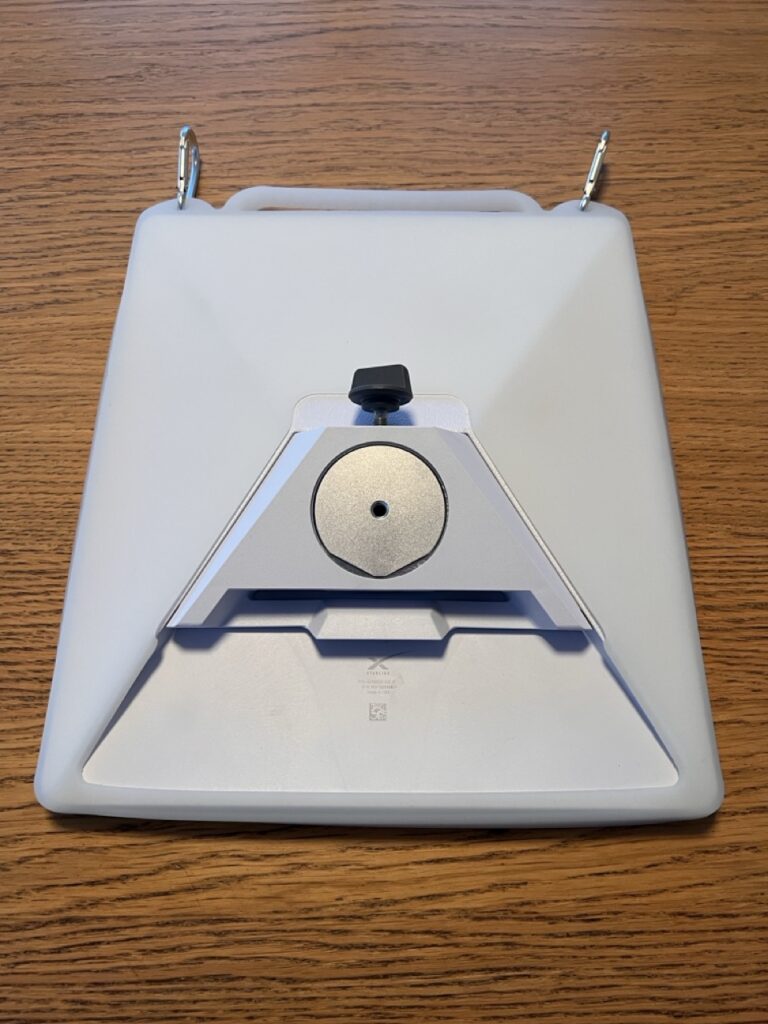
The Starlink Mini silicone protective case with backpack hooks is a specialized accessory that delivers on its promises of protection and utility. If you frequently take your Starlink on the road, on camping trips, or into harsh environments, this cover can be a worthwhile add-on. It provides peace of mind that your expensive satellite dish is shielded from drops, bangs, and grime, and the clever hook design even opens up new ways to deploy the dish (hanging it up for a clear view of the sky when space is limited or the ground is unsafe) . We were impressed by the build quality and how well it fit the device, truly hugging the Starlink Mini’s form. The fact that it doesn’t impede the signal or usage of the dish is critical, and it passed that test with flying colors .
That said, this isn’t a must-have for everyone. Home users or those who mostly use Starlink in one fixed location might find the cover more trouble than it’s worth on a daily basis – it does add weight and it makes the dish less sleek. For occasional travel, you might opt to transport the dish in a padded hard case instead. The silicone cover really targets the use case of active, mobile usage or rough handling. In our own case, we found that for regular daily use we preferred to keep the dish uncovered (to keep it lightweight and low-profile), and only put the silicone case on when we knew we’d be in a situation with higher risk of knocks (like tossing the dish in a vehicle or using it outdoors in rocky areas). The tight fit and installation process also mean you won’t want to be taking it on and off constantly – it’s best if you plan to leave it on for a stretch of adventurous travel.
Overall, if you need rugged protection for your Starlink Mini and like the idea of hanging or mounting it on the go, this anti-bump silicone protector is up to the task. It offers effective cushioning and doesn’t hinder the device’s performance, living up to the “non-stop signal” claim . Just be aware of the added bulk and make sure to take your time installing it securely. For the right user – the overlander, RVer, or extreme camper – this accessory could be a great investment to safeguard your Starlink. For others who use the dish more casually, it might end up left in the closet due to the inconvenience. In summary, the Starlink Mini silicone cover with backpack hooks is a well-made, functional product that provides valuable protection and versatility, but its benefits will be most appreciated by those who truly need the extra ruggedization in their Starlink setup.
Sources: The information and findings above are based on the product’s official description and specifications , as well as hands-on usage experience corroborated by other user feedback (e.g., signal performance reports and installation observations). All cited references have been preserved in the text for verification.